
• Home
  • Geriatrics Blog
    • Helping Older Parents Posts
  • Helping Older Parents
    • Free Trainings
    • Newsletter
  • Podcast
    • Better Health While Aging Podcast
    • Helping Older Parents Podcast
  • Testimonials
  • About
    • About Better Health While Aging
    • About Leslie Kernisan, MD MPH
  • Courses & More

Better Health While Aging

Practical information for aging health & family caregivers

  • Popular Topics
    • Preventing Falls in Aging Adults
    • Medication Safety
    • Dementia, including Alzheimer’s
    • Advance Care Planning & End-of-Life
  • Why Geriatrics
  • Are you a caregiver?
  • How to use this site

Helping Older Parents Articles

Wondering whether you should worry? Having trouble getting parents to accept help? Overwhelmed by challenges and concerns?

This part of the site is especially for you! It includes our hand-picked articles, tips, & resources for people helping older parents.

How to find geriatric care — or a medication review — near you

by Leslie Kernisan, MD MPH

Medications & Aging

A caregiving daughter once wrote in and asked me this common question:

“How can I find a gerontologist* near me to review medications, and help care for my mother with dementia?”

As you may have noticed if you’re a regular reader, I often emphasize the importance of spotting and reducing risky medications, especially those associated with falls or memory problems.

Understandably, this caregiver wants to find a geriatrician who can review her mother’s medications, and otherwise oversee her mother’s care.

(*Note: Technically, a geriatrician and a gerontologist are not the same. Gerontology is the social science discipline of all things aging, and one can get either a master’s or a doctorate in this field. Whereas geriatrics is a medical specialty, so geriatricians must first get a medical degree, then do a residency in internal medicine or family medicine, and then do specialty training. So when people say they want a gerontologist for medical care, what they really want is a geriatrician.)

Now, medication review is usually included in geriatrics primary care. Geriatric care, after all, means healthcare modified to be a better fit with what happens as people get older. And being careful with medications is pretty integral to this approach.

But, although geriatric primary care is certainly worth looking for, it can be hard to find. (Read on for suggestions below.)

So it’s good to have a plan B, which can be getting a medication review — and fall risk assessment — outside of geriatric primary care. This can also be a good option if an older person is reluctant to change primary care doctors.

In this article, I’ll describe 3 places to look for geriatric primary care, and then 3 options for medication review.


[Read more…]

Filed Under: Aging health, Geriatrics For Caregivers Blog, Helping Older Parents Articles, Q&A Tagged With: medication safety

6 Causes of Paranoia in Aging & What to Do

by Leslie Kernisan, MD MPH

paranoid elderly mother

Q: My mother is 80.  She is very active (despite breaking her hip 2 years ago), she still attends water therapy 3 times a week at the YMCA, she drives to the base (which is 20 miles away) and pays her bills on time.  She is a retired Psych nurse and has shown signs in the past of paranoia. 

Lately, she has “heard” voices of her grandchildren in her home and called my sister. She also has difficulty with getting the right words to say out and has her sleep pattern out of whack and will call people at odd times of the night.  With her independence comes the fact she won’t share any medical information because she thinks we are out to get her committed.  

How can I test her/question her to find out the level of decline she may be in to make sure she is safe? — K

A: Great question. As you may know, it’s fairly common for aging adults to develop problems like the ones you are describing. Some older adults will also start leveling a lot of false accusations. Understandably, these problems are frustrating and worrying for adult children.

You are absolutely right to be concerned about your mom’s safety. I do have some ideas for how you can get started assessing her, which I share below.

But first I want to explain the most common causes of this type of behavior in older adults. That’s because one of the things you must do is help your mother and the doctors figure out why she’s developed these behavior changes and other symptoms.

A fair number of people don’t get around to the medical evaluation because they assume that these crazy behaviors are either normal aging (definitely false) or dementia such as Alzheimer’s (true about 40% of the time).

Furthermore, it’s often hard to get a resistant older parent medically evaluated.

Still, it’s worth persisting in this, because many causes of paranoia or other odd behavior in older people can be treated.

Paranoia, false accusations and psychosis

Paranoid symptoms (e.g. believing that someone is out to get you, or is taking your stuff, or is in the house at night) falls into a category of mental symptoms that is technically called “psychosis.”

Symptoms of psychosis can include:

  • Delusions, which means believing things that aren’t true or real (which can include false accusations)
  • Hallucinations, which means seeing or hearing things that aren’t there.
  • Disorganized thoughts or speech, meaning saying or thinking things that seem illogical or bizarre to others.

Psychosis is uncommon in younger people but becomes much more common as people get older. That’s because any of these symptoms can emerge when people’s brains aren’t working properly for some reason.

A 2015 review article on “late-life psychosis” estimates that 23% of people will develop symptoms of psychosis in late life.

6 causes of paranoia and psychosis in aging

In the above review article, the authors organize the causes of late-life psychosis into six “Ds”:

  • Delirium (10 %).
    • This is a very common condition of “worse-than-usual” mental function, often brought on by the stress of severe illness, surgery, or hospitalization. See 10 Things to Know About Delirium for more.
  • Drugs, alcohol, and other toxins (11%)
    • Medication side-effects can cause delusions, hallucinations, or other forms of psychosis. Pay special attention to medications known to affect memory and thinking. Abuse of — or withdrawal from — alcohol or other substances can also cause psychosis symptoms.
  • Disease (10%)
    • Many physical health problems can interfere with brain function. These include electrolyte problems such as abnormal levels of sodium, potassium, calcium, or magnesium in the blood, low levels of vitamin B12 or folate, thyroid problems, severe liver or kidney dysfunction, infections, and neurological diseases. Brain damage from minor strokes can also cause psychosis symptoms.
    • Urinary tract infections can cause psychosis, but in my experience, they are almost never the cause of paranoia or other symptoms that have been going on for weeks, months, or longer. (A positive urine culture in an older person who has been having psychosis symptoms for a while probably reflects a colonized bladder.)
  • Depression (33%) and other “mood disorders,” including bipolar disease (5%)
    • About 15% of people with major depression may experience psychotic symptoms. Delusions of guilt or deserved punishment are especially common.
  • Dementia (40%), including Alzheimer’s disease, Lewy-Body dementia, and others
    • Delusions are extremely common in dementia, especially delusions of theft, spousal infidelity, abandonment, and persecution. Hallucinations (especially visual hallucinations) are also common, especially in Lewy-Body dementia. For more on how dementia is diagnosed, see How We Diagnose Dementia: The Practical Basics to Know.
  • Delusional disorder (2%) and schizophrenia-spectrum disorders (1%)
    • These two conditions have many symptoms that overlap with those of dementia, delirium, or other conditions affecting thinking. Doctors must exclude these more common conditions before diagnosing a person with schizophrenia or delusional disorder. Schizophrenia affects an estimated 0.1-0.5% of people over age 65. Many were diagnosed earlier in life but some people can develop the condition later in life. Delusional disorder affects an estimated 0.03% of older adults.

The authors of this review article also note that it’s common for older adults to have vision and hearing problems, both of which can trigger or worsen delusions and hallucinations.

So as you can see, when older adults experience delusions, hallucinations, and paranoid thoughts, there is almost always something more going on with their health. Figuring out what is beneath the “crazy” or “irrational” or “paranoid” behavior is key.

Hence, I recommend you keep these six causes of paranoid symptoms in mind, as you try to find out more about how your mom has been doing.

I also recommend you check for other signs of problems with thinking or memory; you can learn about 21 signs I recommend checking for in the video below.

How to check on “levels of decline” and safety

It’s great for you to be proactive and want to help check on your mother safety and situation. Ultimately you’ll need to work with professionals, but you can speed the process along by checking for common red flags, and bringing them to the attention of your mother’s doctor.

As a geriatrician, I generally try to assess an older person in the following five domains:

  • Ability to manage key life tasks
    • These include the ability to manage Activities of Daily Living (key tasks we usually learn as young children, such as walking, dressing, feeding ourselves, and toileting) and also Instrumental Activities of Daily Living (key tasks we learn as teenagers, such as managing finances, transportation, meal preparation, home maintenance, etc).
  • Safety red flags
    • This includes signs of financial vulnerability or exploitation, risky driving, leaving the stove on, wandering, or signs of elder abuse.
  • Physical health red flags
    • These include weight loss, declines in strength or physical abilities, falls, frequent ER visits, and complaints of pain.
  • Mood and brain health red flags
    • These include common signs of depression (especially sadness and/or loss of interest in activities), signs of loneliness or isolation, new or excessive worrying, as well as other signs of memory and thinking problems
  • Medication management red flags
    • These include signs of difficulty taking prescriptions as directed, checking on possible medication side-effects, and identifying medications that are on the Beer’s list of medications that older people should avoid or use with caution.

Because concerned family members often ask me about checking on an older parent, I’ve written a book, “When Your Aging Parent Needs Help,” that walks families through how to do this; it includes checklists based on the five sections above.

You can use the book and checklists to spot these red flags that often represent serious safety or health problems.

Now, no book is going to enable you to diagnose your parent. And no book can guarantee that you’ve identified and addressed the most important safety issues. You’ll need to work in person with professionals to do that.

But by being methodical in observing your mom and in documenting your observations, you will make it much easier for professionals to figure out why your mother has developed these behaviors you are concerned about.

Also, by identifying specific red flags or problem areas, you’ll be better equipped to work with your mom and other family members on addressing safety concerns. That’s because it’s much more effective to focus on issues that are specific and concrete (“I noticed that you seem to be having trouble with your grocery shopping”), rather than simply telling an aging parent that you are worried about their safety.

Tips on following up on safety issues and memory problems

Once you’ve identified safety issues and signs of underlying health problems, you’ll want to follow up. You’ll need health professionals to help evaluate and manage any underlying health problems, and you may find you need help from other types of experts as well.

If your older parent is paranoid and resisting your involvement, this often becomes a stuck spot for families.

How to get unstuck depends on the situation. Here are some ideas that often help:

  • Relay your concerns to your parent’s doctor. The doctor needs to know about the symptoms and problems. The doctor may also be able to persuade your older parent to accept some help, or even the presence of another family member during medical visits.
    • Patient privacy laws (e.g. HIPAA) do not prevent families from providing information to a person’s doctor over that person’s objections.
    • The doctor will probably not disclose health information to you but may do so under certain circumstances. That’s because when a patient is “incapacitated”, doctors are allowed to disclose relevant health information to family members, if they feel it’s in the best interest of the patient. For more on when health providers may disclose information to family members, see 10 Things to Know About HIPAA & Access to a Relative’s Health Information.
    • If you send your concerns in writing, they will probably be scanned into the medical record.
    • Also ask if any social work services are available through your parent’s health provider.
  • Contact organizations that support older adults and families, for assistance and for referrals. Some good ones to try include:
    • Your local Area Agency on Aging; find it using the locator here.
    • Family Caregiver Alliance. The navigator showing state-by-state services is especially nice.
    • Local non-profits serving seniors and families. Try using Google to find these.
  • Get help from a geriatric care manager (now known as aging life care professionals) or other “senior problems” expert. This usually requires paying out-of-pocket, but can enable more hands-on assistance than is usually available through social workers and non-profits.
    • The ideal person will be good at difficult conversations with older adults, will be able to help you communicate with doctors if necessary, and will know what local resources are available to address any safety or living issues you detect.
  • Get advice from other adult children who have faced similar situations. You can find caregiving forums and message boards online, where people share ideas on getting through these challenges.
    • There are active forums of people caring for older relatives on Reddit and Facebook.  You can find a lot of ideas and support there. However, most such forums have minimal moderation from professionals, so you should double-check on any medical, legal, or financial advice you get.
  • Consider contacting Adult Protective Services if you think this might qualify as self-neglect. Self-neglect means an older person is living in a way that puts his or her health, safety, or well-being at risk. It’s not uncommon for older adults with memory or thinking problems to self-neglect.
    • This is considered a form of elder abuse and can be reported to Adult Protective Services (APS).
    • For a good overview of self-neglect and how APS can get involved, see here.
    • In most states, health providers and certain other professionals are “mandated reporters” for elder abuse and self-neglect, which means they are supposed to report any such suspected cases to APS.

When it comes to contacting the doctor and hiring an expert to help, it’s best if you can get your mom’s agreement before proceeding. (Or at least, not have her explicitly forbid you from doing these things). Here are some tips to help with your conversations:

  • Use “I” statements as much as possible. “I’ve noticed you’ve been calling people during the night. I’ve noticed you sometimes have difficulty with your words. I’m concerned and I’ve heard it’s important to have such symptoms evaluated by a doctor, because they can be due to treatable medical problems.”
  • Frame any suggestions you make as a way to help your mother achieve her goals. For most older adults, these include living at home for as long as possible, maintaining good brain function and physical function, and otherwise remaining as independent as possible.
  • Avoid relying on logic. Logic never works well when it comes to emotionally-charged subjects. And it especially doesn’t work if people are experiencing any difficulties with memory or thinking. So don’t expect your mom to be logical and don’t rely on logical arguments to convince her.

For more on approaching a parent who is resistant to help, I explain how to do this in my free online training for families:

Now, if you find it causes your mother intense anxiety or agitation to discuss your concerns and your suggestions for helping her, it may be reasonable to just proceed. After all, you do have reasons to believe that some kind of health issue is affecting her thinking.

So especially if you’ve identified any safety problems, it’s reasonable to move ahead despite her preference that you not intervene.

In closing, I’ll reiterate that this is a very tough situation to navigate, and it usually takes time and persistence for families to make headway. Do try to take care of yourself as you work through this. Connecting with others facing similar challenges is a great way to get support and practical ideas on what to do next.

Good luck!

This article was last reviewed and updates were made in July 2026.

Filed Under: Aging health, Geriatrics For Caregivers Blog, Helping Older Parents Articles, Managing relationships, Q&A Tagged With: memory, paranoia, resisting help

Q&A: How to Prevent, Detect, & Treat Dehydration in Aging Adults

by Leslie Kernisan, MD MPH

Q: How can we get my older mother to drink more water? She is susceptible to urinary tract infections and seems to be often dehydrated no matter what we do. We were also wondering if coffee and tea are okay, or should they be avoided to reduce dehydration? And what are symptoms of dehydration in older women that we can look out for?

A: Dehydration is indeed an important problem for older adults. It can be common even when it’s not hot outside.

Helping an older person increase her fluid intake, as you’re trying to do, is one of the best ways to reduce the risk of dehydration.

Now how to actually do this? Studies — and practical experience — suggest that the best approaches include:

[Read more…]

Filed Under: Aging health, Geriatrics For Caregivers Blog, Helping Older Parents Articles, Q&A Tagged With: dehydration, UTI

Kidney Disease in Aging: Causes, Symptoms, and Treatment

by Leslie Kernisan, MD MPH

Have you been told that you — or an older person you care about — has kidney disease?

If so, you’re not alone: kidney disease is very common in older adults. Almost everyone’s kidney function declines at least a little with aging, with actual chronic kidney disease affecting an estimated 35% of people over age 65.

It’s also fairly common for older adults to develop an “acute kidney injury,” which means the kidneys suddenly start working less well. This often happens during an illness, dehydration, infection, or hospitalization.

Fortunately, in most cases, acute kidney injuries improve, and chronic kidney disease remains fairly manageable, with only a minority of older adults progressing to needing dialysis.

But kidney disease is still important to recognize and monitor, because it can affect medication safety, blood pressure, fluid balance, and overall health.

In this article, I’ll cover what older adults and families should know about kidney disease in aging.

What Do the Kidneys Do?

[Read more…]

Filed Under: Aging health, Geriatrics For Caregivers Blog, Helping Older Parents Articles

6 Steps to Take When Aging Parents Need Help – Even if They’re Resisting

by Leslie Kernisan, MD MPH

getting aging mother to accept help

Have you noticed worrisome changes in your aging parent?

Maybe they’ve been mostly okay but now you’re seeing problems with memory, such as forgetfulness or asking the same questions repeatedly. Or maybe you’ve noticed trouble with driving, keeping up the house, managing stairs, or paying bills. 

Some aging parents simply begin to seem more withdrawn. Others start leveling accusations at others, claiming someone took or moved something, or acting paranoid.

For many adult children, these changes lead to mounting questions. What’s wrong? What’s happening? Is it safe for Mom to keep driving? Should Dad live alone much longer?

I think of this as the “uh-oh” stage. It’s a transition no one looks forward to, and most haven’t prepared for: the time when you might have to start helping your aging parent.

And for many, it comes with an added challenge:  Most aging parents don’t welcome much help from their adult children. They may see it as interference, or an invasion of privacy.

Some parents might even refuse to accept that they’re having difficulties, despite issues that feel glaringly obvious—and concerning—to you.

By the time you’re noticing changes and have safety concerns, it’s quite possible that you’re right: that your parent does need help of some kind. So how should you best get involved, especially if your attempts to do so have gone poorly in the past?

Well, it’s certainly not easy. These situations are complicated from a medical and eldercare perspective, plus they tend to bring up difficult emotions for older parents and adult children alike.

But I do believe that it’s crucial for families to get involved. It’s not likely to be easy. But it can be easier, if you’re able to learn the better ways to do so—and also what to stop doing.

[Read more…]

Filed Under: Aging health, Geriatrics For Caregivers Blog, Helping Older Parents Articles, Managing relationships

10 Things to Know About HIPAA & Access to a Relative’s Health Information

by Leslie Kernisan, MD MPH

Depositphotos_71539567_m-2015-HIPAA-compressor

Have you ever had questions about what might be going on with an older loved one’s health? But then you find that your older relative is unable — or unwilling — to let you in on the health details?

Or maybe you’ve wanted to talk to your parent’s doctor, but worried that doing so might be a HIPAA violation?

Such issues come up often for the family caregivers of aging adults. Common situations include:

  • An older parent who starts to act in ways that are strange or worrisome, such as becoming paranoid or delusional.
  • An older adult who seems to be physically or mentally declining, but seems reluctant to discuss the situation
  • A hospitalization or emergency room visit
  • A hospitalized older person becoming confused (this would be delirium) and becoming no longer able to explain to family what the doctors have said

In these situations, family caregivers often find themselves grappling with issues related to the HIPAA (Health Insurance Portability and Accountability Act) Privacy Rule.

Why all the grappling?

Well, although most people — and all clinicians — have heard of HIPAA, its rules and requirements are often misunderstood. So for instance, families may assume that it’s a HIPAA violation to report a relative’s worrisome behavior to the doctor, because their relative hasn’t given them permission to do so.

Even worse:  doctors and other clinicians sometimes refuse to disclose any information to families, and will incorrectly claim that it’s a HIPAA violation to do so. This can create extra confusion and stress for families, or can even sometimes put an older person at risk for harm.

If you’ve been concerned about an aging parent’s health, or are otherwise helping someone with their health concerns, then it can be very helpful to understand HIPAA better. HIPAA regulations will also govern your access to medical records and other important health information.

In fact, the American Bar Association includes “Know your rights of access to health information” among its Ten Legal Tips for Caregivers.

The detailed ins and outs of HIPAA can indeed be hard to fully understand. But, it’s not too hard to learn some practical basics, especially since the US Department of Health and Human Services (HHS) provides a Summary of the Privacy Rule here, and maintains a truly useful set of online FAQs about HIPAA here.

In this article, I’ll explain five useful key basics to help you understand HIPAA better, especially when it comes to getting information and medical records as a family caregiver.

I’ll also address five questions I’ve often heard family caregivers ask about HIPAA.

At the end, I’ll share some of my favorite online HIPAA resources, as well as some final tips to keep in mind.

5 Key Basics About HIPAA

[Read more…]

Filed Under: Aging health, Geriatrics For Caregivers Blog, Helping Older Parents Articles Tagged With: HIPAA

10 Things to Know About Delirium

by Leslie Kernisan, MD MPH

Pop quiz: What aging health problem is extremely common, has serious implications for an older person’s health and wellbeing, and can often – but not always – be prevented?

It’s delirium. In my opinion, this is one of the most important aging health problems for older adults to be aware of. It’s also vital for family caregivers to know about this condition, since families can be integral to preventing and detecting delirium.

In this article, I’ll explain just what delirium is, and how it compares to dementia. Then I’ll share 10 things you should know, and what you can do.

What is Delirium

Delirium is a state of worse-than-usual mental confusion, brought on by some type of unusual stress on the body or mind. It’s sometimes referred to as an “acute confusional state,” because it develops fairly quickly (e.g., over hours to days), whereas mental confusion due to Alzheimer’s or another dementia usually develops over a long time.

The key symptom of delirium is that the person develops difficulty focusing or paying attention. Delirium also often causes a variety of other cognitive symptoms, such as memory problems, language problems, disorientation, or even vivid hallucinations. In most cases, the symptoms “fluctuate,” with the person appearing better at certain times and worse at other times, especially later in the day.

Delirium is usually triggered by a medical illness, or by the stress of hospitalization, especially if the hospitalization includes surgery and anesthesia. However, in people who have especially vulnerable brains (such as those with Alzheimer’s or another dementia), delirium can be provoked by medication side-effects or less severe illnesses.

It’s much more common than many people realize: about 30% of older adults experience delirium at some point during a hospitalization.

That confusion after surgery that older adults often experience? That’s delirium.

The way your elderly mother with dementia gets twice as confused when she has a urinary tract infection? That’s delirium too.

Or the common phenomenon of “ICU psychosis”? That too is delirium.

What Causes Delirium?

In older adults, delirium often has multiple causes and contributors. These can include:

  • Infection (including UTI, pneumonia, the flu, COVID)
  • Other serious medical illness (e.g. heart attack, kidney failure, stroke, and more)
  • Metabolic imbalances (e.g. abnormal blood levels of sodium, calcium, or other electrolytes)
  • Dehydration
  • Medication side-effects (especially those that affect brain function)
  • Sleep deprivation
  • Uncontrolled pain
  • Sensory impairment (e.g. poor vision and hearing, which can worsen if the person is lacking their usual glasses or hearing aids)
  • Alcohol withdrawal

Delirium vs. Dementia

People often confuse delirium and dementia (such as Alzheimer’s disease), because both conditions cause confusion and appear superficially similar. Furthermore, people with dementia are actually quite prone to develop delirium. That’s because delirium is basically a reflection of the brain going haywire when it gets overloaded by the stress of illness or toxins, and brains with dementia get overloaded more easily.

In fact, the more vulnerable a person’s brain is, the less it takes to tip them into delirium. So a younger person generally has to be very very sick to become delirious. But a frail older person with Alzheimer’s might become delirious just from being stressed and sleep-deprived while in the hospital.

Why Delirium is Such an Important Problem

There are three major reasons why delirium is an important problem for us all to prevent, detect, and manage.

First, delirium is a sign of illness or stress on the body and mind. So if a person becomes delirious, it’s important to identify the underlying problems – such as an infection or untreated pain – and correct them, so that the person can heal and improve.

The second reason delirium is important is that a confused person is at higher risk for falls and injuries during the period of delirium.

The third reason is that delirium often causes serious consequences related to health and well-being.

In the short term, delirium increases the length of hospital stays, and has been linked to a higher chance of dying during hospitalization. In the longer term, delirium has been linked to worse health outcomes, such as declines in independence, and even acceleration of cognitive decline.

Now let’s cover 10 more important facts you should know about delirium, especially if you’re concerned about an aging parent or other older relative.

10 Things to Know About Delirium, and What You Can Do

1.Delirium is extremely common in aging adults.

Almost a third of adults aged 65 and older experience delirium at some point during a hospitalization, with delirium being even more common in the intensive care unit, where it’s been found to affect 70% of patients. Delirium is also common in rehabilitation units, with one study finding that 16% of patients were experiencing delirium.

Delirium is less common in the outpatient setting (e.g. home, assisted-living, or primary care office). But it still can occur when an older adults gets sick or is affected by medications, especially if the person has a dementia such as Alzheimer’s.

What to do: Learn about delirium, so that you can help your older loved ones reduce the risk, get help quickly if needed, and better understand what to expect if someone does develop delirium. You should be especially be prepared to spot delirium if your parent or loved one is hospitalized, or has a dementia diagnosis. Don’t assume this is a rare problem that probably won’t affect your family. For more on hospital delirium, see Hospital Delirium: What to know & do.

2. Delirium can make a person quieter.

Although people often think of delirium meaning as a state of agitation and or restlessness, many older delirious people get quieter instead. This is called hypoactive delirium. It’s still linked with difficulty focusing attention, fluctuating symptoms, and worse than usual thinking. It’s also linked with poor outcomes. But it’s of course harder for people to notice, since there’s little “raving” or restlessness to catch people’s attention.

What to do: Be alert to those signs of difficulty focusing and worse-than-usual confusion, even if your older person seems quiet and isn’t agitated. Tell the hospital staff if you think your relative may be having hypoactive delirium. In the hospital, it’s normal for older patients to be tired. It’s not normal for them to have a lot more difficulty than usual making sense of what you say to them.

3. Delirium is often missed by hospital staff.

Despite the fact that delirium is extremely common, it is often missed in hospitalized older adults, with some reports estimating it’s being missed 70% of the time. That’s because busy hospital staff will have trouble realizing that an older person’s confusion is new or worse-than-usual. This is especially true for people who either look quite old – in which case hospital staff may assume the person has Alzheimer’s – or have a diagnosis of dementia in their chart.

What to do: You must be prepared to speak up if you notice that your family member isn’t in his or her usual state of mind. Hypoactive delirium is especially easy for hospital staff to miss. Hospitals are trying to improve delirium prevention and detection, but we all benefit when families help out. Remember, no hospital person knows your older person the way that you do.

4. Delirium can be the only outward sign of a potentially life-threatening problem.

Although delirium can be brought on or worsened by “little things” such as sleep deprivation or untreated constipation, it can also be a sign of a very serious medical problem. For instance, older adults have been known to become delirious in response to urinary tract infections, pneumonia, and heart attacks.

In general, it tends to be older persons with dementia who are most likely to show delirium as the only outward symptom of a very serious medical illness. But whether or not your older relative has dementia, if you notice delirium, you’ll want to get a medical evaluation as soon as possible.

What to do: Again, if you notice new or worse-than-usual mental functioning, you must bring it up and get your older loved one medically evaluated without delay. For older adults who are at home or in assisted -living, you should call the primary care doctor’s office, so that a nurse or doctor can help you determine whether you need an urgent care visit versus an emergency room evaluation.

5. Delirium often has multiple underlying causes.

In older adults with delirium, we often end up identifying several problems that collectively might be overwhelming an older person’s mental resilience. Along with infections and other serious medical illnesses, common contributors/causes for delirium include medication side effects (especially medications that are sedating or affect brain function), anesthesia, blood electrolyte imbalances, sleep deprivation, lack of hearing aids and glasses, and uncontrolled pain or constipation. Substance abuse or withdrawal can also provoke delirium.

What to do: To prevent delirium, learn about common contributors and try to avoid them or manage them proactively. For instance, if you have a choice regarding where to hospitalize an older person, some hospitals have “acute care for elders” units that try to minimize sleep deprivation and other hospital-related stressors. If your older relative does develop delirium, realize that there is often not a single “smoking gun” when it comes to delirium. A good delirium evaluation will attempt to identify and correct as many factors as possible.

6. Delirium is diagnosed by clinical evaluation.

To diagnose delirium, a doctor first has to notice – or be alerted to – the fact that a person may not be in his or her usual state of mind. Experts recommend that doctors then use the Confusion Assessment Method (CAM), which describes four features that doctors must assess. Delirium can be diagnosed if a patient’s symptoms include “acute onset and fluctuating course,” “difficulty paying attention,” and then either “disorganized thinking” or “altered level of consciousness.”

Delirium cannot be diagnosed by lab tests or scans. However, if an older adult is diagnosed with delirium, doctors generally should order tests and review medications, in order to identify factors that have caused or worsened the delirium.

What to do: Again, the most important thing for you to do is to get help for your loved one if you notice worse-than-usual confusion or difficulty focusing. Although families have historically not had a major role in delirium diagnosis, delirium experts have developed a family version of the CAM (FAM-CAM), which is designed for non-clinicians and has been shown to help detect delirium.

7. Delirium is treated by identifying and reversing triggers, and providing supportive care.

Delirium treatment requires a care team to take a three-pronged approach.

  1. Health providers must identify and reverse the illness or problems provoking the delirium.
  2. They have to manage any agitation or restless behavior, which can be tricky since a fair number of sedating medications can worsen delirium.
    1. The safest approach is a reassuring presence (family is best, but hospitals sometimes also provide a “sitter”) to be with the person, plus improve the environment if possible (e.g. a room with a window and natural light).
    2. The once-popular practice of physically restraining agitated older adults has been shown to sometimes worsen delirium, and should be avoided if possible.
  3. The care team needs to provide general supportive care to help the brain and body recover.

What to do: The reassuring presence of family is often key to providing a supportive environment that promotes delirium recovery. You can also help by making sure your loved one has glasses and hearing aids, and by alerting the doctors if you notice pain or constipation. Ask the clinical team how you can assist, if restlessness or agitation are an issue. Bear in mind that physical restraints should be avoided, as there are generally safer ways to manage agitation in delirium.

8. It can take older adults a long time to fully recover from delirium.

Most people are noticeably better within a few days, once the delirium triggers have been addressed. But it can take weeks, or even months, for some aging adults to fully recover.

For instance, a study of older heart surgery patients found that delirium occurred in 46% of the patients. After 6 months, 40% of those who had developed delirium still hadn’t recovered to their pre-hospital cognitive abilities.

I even once had an older patient slowly recover from delirium over a whole year.

What to do: If your parent or someone you love is diagnosed with delirium, don’t be surprised if it takes quite a while for him or her to fully recover. It’s good to be prepared to offer extra help during this period of time. You can facilitate recovery by creating a restful recuperation environment that minimizes mental stress and promotes physical well-being.

9. Delirium has been associated with accelerated cognitive decline and with developing dementia.

This is unfortunate, but true, especially in people who already have Alzheimer’s or another type of dementia. A 2009 study found that in such persons, delirium during hospitalization is linked to a much faster cognitive decline in the following year. A 2012 study reached similar conclusions, estimating that cognition declined about twice as quickly after delirium in the hospital.

In older adults who don’t have dementia, studies have found that delirium increases the risk of later developing dementia.

What to do: Experts aren’t sure what can be done to counter this unfortunate consequence of delirium, other than to try to optimize brain well-being in general. (For this, I suggest avoiding risky medications, getting enough exercise and sleep, being socially and intellectually active, and avoiding future delirium if possible; learn more here.)

The main thing to know is that delirium has serious consequences, so it’s often worth it for a family to be careful about surgery in an older person, and it’s good to learn about delirium prevention (see below).

10. Delirium is preventable, although not all cases can be prevented.

Experts estimate that delirium is preventable in about 40% of cases. Preventive strategies are meant to reduce stress and strain on an older person, and also try to minimize delirium triggers, such as uncontrolled pain or risky medications.

In the hospital setting, programs such as the Hospital Elder Life Program (HELP) for Prevention of Delirium have been shown to work. For ideas on how families can help, see this family tip sheet from the Hospital Elder Life Program. For instance, families can help reorient a relative in the hospital, ensure that glasses and hearing aids are available, and provide a reassuring presence to counter the stress of the hospital setting.

Less is known about preventing delirium in the home setting. However, since taking anticholinergic medications (such as sedating antihistamines) has been linked with hospitalizations for confusion, you can probably prevent delirium by learning to spot risky medications your parent might be taking.

What to do: To prevent hospital delirium, carefully weigh the risks and benefits before proceeding with elective surgery. If your older loved one must be hospitalized, choose a facility using the HELP program or with an Acute Care for Elders unit if possible. Be sure to read HELP’s tips for families on preventing hospital delirium.

Remember, delirium is common and can be the only outward sign of a serious medical problem.

By educating yourself and helping your older loved ones be proactive about prevention, you can reduce the chance of harm from this condition.

And if you do notice symptoms of delirium, make sure to tell the doctors! This will help your parent get the evaluation and treatment that he or she needs.

Useful Online Resources Related to Delirium

Here are links to some of the resources I reference in this article:

  • A study (one of many) finding that delirium is linked to worse health outcomes in the elderly
  • A study of older adults in the Intensive Care Unit, finding that 43.5% had hypoactive delirium
  • An article finding that older patients do better when they are hospitalized in an “Acute Care for Elders” unit (a special hospital ward tailored towards protecting older adults from hospital complications; they are great!)
  • An explanation of the Confusion Assessment Method, which experts recommend doctors use to diagnose delirium
  • A description of the Family-CAM, which experts developed to help family caregivers detect delirium
  • A study finding that delirium accelerates cognitive decline in Alzheimer’s; a follow-up study finding that people with dementia decline twice as quickly after having delirium (!) is here.
  • Tips on how family caregivers can prevent delirium, from the Hospital Elder Life Program


Filed Under: Aging health, Geriatrics For Caregivers Blog, Helping Older Parents Articles Tagged With: delirium, dementia

4 Things to Try When Your Aging Parent Seems Irrational

by Leslie Kernisan, MD MPH

Dear Dr. K,

Any ideas on how I can relieve my mother’s anxiety about her thinking an animal got in the house? I can’t find anything and have moved the couches but she is convinced and scared.

She’s always been a worrier, plus her thinking has been deteriorating and her vision is impaired a bit. I take care of her and my Dad both 94. She gets upset if I tell her I think she just thought she was seeing something and says I think she is crazy. Last night she woke me up shaking and practically in tears because she thought she saw it again -I offered for her to come sleep with me but she wouldn’t. Any suggestions? — C.S.

Thanks so much for sending in this question. This is a very common complaint I hear from family caregivers, so I am happy to share some thoughts about what might be going on and what you can do.

Now, I can’t say for sure what is going on with your mother. That’s because she’s not my patient, and I’m not in a position to interview her and examine her.

What I can say, however, is that it’s very common for older adults to develop persisting fears, worries, and complaints that often strike their family members as irrational, paranoid, absurd, or ridiculous.

Why is this?

Among my own patients, I’ve found this is often related to underlying cognitive impairment. Meaning, a problem with memory or thinking that hasn’t yet been fully diagnosed by doctors.  In some cases, this kind of complaint ends up being one of the very earliest signs of clinical dementia.

Lewy-Body dementia, in particular, is associated with visual hallucinations. But any process causing brain deterioration (Alzheimer’s, vascular dementia, etc.) can result in anxieties spiraling out of control, or persisting strange beliefs.

That said, it’s quite possible for an aging person to express such fears and not have it be dementia. Maybe there really is an animal in the house, or a person stealing your parent’s things. It’s also possible for people to develop confusion or false beliefs due a problem other than dementia, such as mental illness or delirium.

(For more in-depth information on the most common causes of paranoia and strange beliefs in older adults, see this article: 6 Causes of Paranoia in Aging & What to Do.)

Still, given your mom’s age and the fact you’ve noticed other signs of “thinking deterioration,” there’s a good chance that her persisting fear could be related to some chronic underlying cognitive impairment.

4 Things to try to help your mother

[Read more…]

Filed Under: Geriatrics For Caregivers Blog, Helping Older Parents Articles, Managing relationships, Q&A Tagged With: alzheimer's, dementia

Heart Failure in Aging: Symptoms, Types, Causes & Treatments

by Leslie Kernisan, MD MPH

Have you been told that you — or someone important to you — has heart failure?
This wouldn’t surprise me, as this is one of the most common heart conditions affecting older adults. People are sometimes alarmed by the term “heart failure”; does it mean the heart is about to stop working?  Luckily, that’s not usually the case.

Heart failure actually means that the heart is not pumping or filling as well as it should. This can affect how well blood moves through the body, and it can lead to symptoms such as shortness of breath, fatigue, swelling, and reduced ability to exercise.

Heart failure can be serious, and it is important to take it seriously. But it is also a condition that many older adults live with for years, especially when it is properly diagnosed and treated.

In this article, I’ll explain:

  • What heart failure means
  • The main types of heart failure
  • Common causes in older adults
  • Symptoms to watch for
  • How heart failure is diagnosed
  • How it is treated and managed
  • What to know if an older person is frail
  • Questions to ask the doctor

This information is based on a Better Health While Aging video podcast conversation with cardiologist Cara Pellegrini, MD,  who is a professor at UCSF.

What Is Heart Failure?

[Read more…]

Filed Under: Aging health, Geriatrics For Caregivers Blog, Helping Older Parents Articles

How to Help Doctors Notice What’s Wrong: The story of the missed pelvic fracture

by Leslie Kernisan, MD MPH

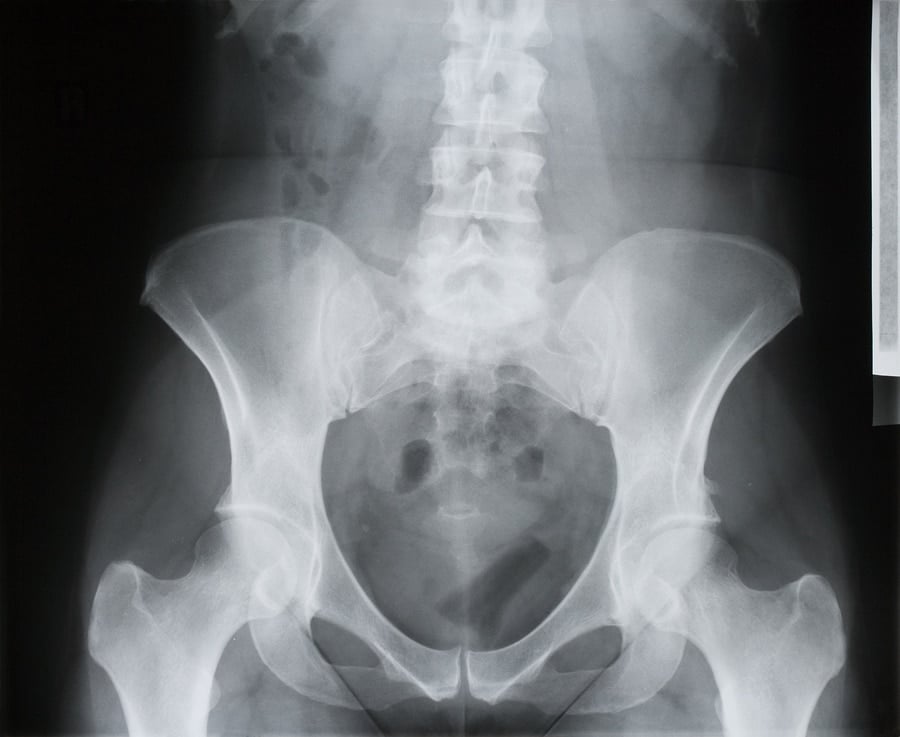
Pelvic X-Ray

Once upon a time, the ER missed a pelvic fracture in one of my older patients.

Actually, this kind of thing has happened more than once, and perhaps it’s happened to your family too.

As much as we’d like to believe that our older loved ones will get the right care when they are sick or injured, the truth is that our healthcare system is imperfect, and it’s fairly common for serious problems to be missed.

Unless, of course, a proactive family caregiver knows to help the doctor focus on what’s newly wrong.

Here is a true story about why geriatricians pay attention to “changes in function” and why it’s essential that you help doctors spot any changes in function or ability.

The case: unable to walk after a fall

My patient with Alzheimer’s dementia, 85-year-old Mr. C.,  sat down short of his easy chair at home and fell. Within minutes, his daughter found him on the floor. She helped him to the chair, and they watched some TV. But half an hour later, he was unable to get up again and walk. She took him to the emergency room for evaluation.

“I’m fine. Nothing hurts,” Mr. C. told the busy ER staff more than once. “I just want to go home.” X-rays of his hips and pelvis revealed nothing, and so — after an exam that probably lasted only a minute or two — he was discharged.

Back home, however, he still couldn’t walk. He still insisted nothing hurt. “I’m a tough old bird,” he told his daughter. Later that night, though, she noticed that he grimaced every time he rolled over in bed. She knew something was wrong. But what?

[Read more…]

Filed Under: Aging health, Geriatrics For Caregivers Blog, Helping Older Parents Articles Tagged With: falls

  • 1
  • 2
  • 3
  • …
  • 11
  • Next Page »

Yours Free: The Quick Start Guide to Checking Older Parents for Health & Safety Problems

Action Plan - Pencil and Checklist

Enter your email to download this free Quick Start Guide

Get The Guide Now »

No spam ever! We collect, use and process your data according to our Privacy Policy.

Find It Here

Disclaimer

The material on this site, including any exchanges in the comments section of the blog, is for informational and educational purposes only.

Any comments Dr. Kernisan may make regarding an individual’s story or comments should not be construed as establishing a physician-patient relationship between Dr. Kernisan and a caregiver, or care recipient.

None of Dr. Kernisan’s website or group information should be considered a substitute for individualized medical assessment, diagnosis, or treatment.

Please see the full Disclaimer for more information.

Please also carefully read our Terms & Conditions of Use, before using this site.

Creative Commons License
This work by Leslie Kernisan MD & Better Health While Aging LLC is licensed under a Creative Commons Attribution-NonCommercial-NoDerivatives 4.0 International License.
Based on a work at BetterHealthWhileAging.net.

Privacy Policy & Disclosures

Your privacy is very important to us. Your information will never be sold to anyone, whether you browse the site, sign up for email updates, or register for an event.

Pleae read our complete Privacy Policy for more information and for Dr. Kernisan's financial disclosures.

© 2026 Better Health While Aging, LLC · Terms & Conditions · Disclaimer · Privacy Policy · Contact Us