

• Home
  • Geriatrics Blog
    • Helping Older Parents Posts
  • Helping Older Parents
    • Free Trainings
    • Newsletter
  • Podcast
    • Better Health While Aging Podcast
    • Helping Older Parents Podcast
  • Testimonials
  • About
    • About Better Health While Aging
    • About Leslie Kernisan, MD MPH
  • Courses & More

Better Health While Aging

Practical information for aging health & family caregivers

  • Popular Topics
    • Preventing Falls in Aging Adults
    • Medication Safety
    • Dementia, including Alzheimer’s
    • Advance Care Planning & End-of-Life
  • Why Geriatrics
  • Are you a caregiver?
  • How to use this site

How to find geriatric care — or a medication review — near you

by Leslie Kernisan, MD MPH

Medications & Aging

A caregiving daughter once wrote in and asked me this common question:

“How can I find a gerontologist* near me to review medications, and help care for my mother with dementia?”

As you may have noticed if you’re a regular reader, I often emphasize the importance of spotting and reducing risky medications, especially those associated with falls or memory problems.

Understandably, this caregiver wants to find a geriatrician who can review her mother’s medications, and otherwise oversee her mother’s care.

(*Note: Technically, a geriatrician and a gerontologist are not the same. Gerontology is the social science discipline of all things aging, and one can get either a master’s or a doctorate in this field. Whereas geriatrics is a medical specialty, so geriatricians must first get a medical degree, then do a residency in internal medicine or family medicine, and then do specialty training. So when people say they want a gerontologist for medical care, what they really want is a geriatrician.)

Now, medication review is usually included in geriatrics primary care. Geriatric care, after all, means healthcare modified to be a better fit with what happens as people get older. And being careful with medications is pretty integral to this approach.

But, although geriatric primary care is certainly worth looking for, it can be hard to find. (Read on for suggestions below.)

So it’s good to have a plan B, which can be getting a medication review — and fall risk assessment — outside of geriatric primary care. This can also be a good option if an older person is reluctant to change primary care doctors.

In this article, I’ll describe 3 places to look for geriatric primary care, and then 3 options for medication review.

[Read more…]

Filed Under: Aging health, Geriatrics For Caregivers Blog, Helping Older Parents Articles, Q&A Tagged With: medication safety

6 Causes of Paranoia in Aging & What to Do

by Leslie Kernisan, MD MPH

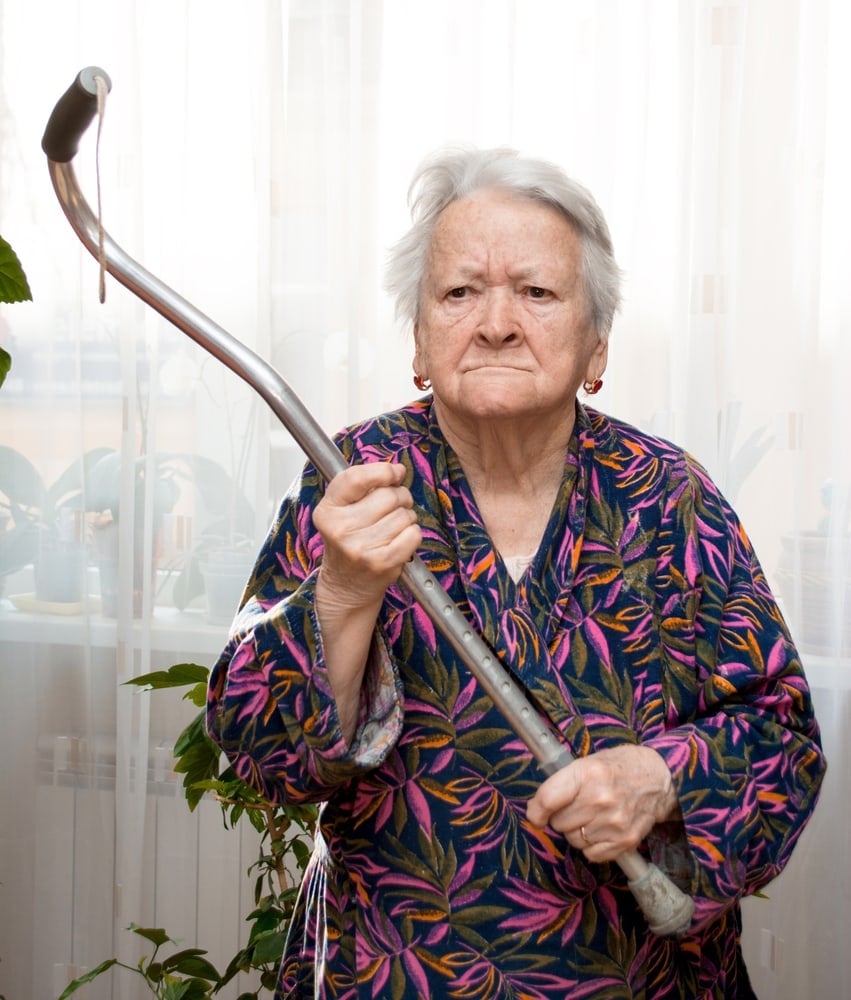
paranoid elderly mother

Q: My mother is 80.  She is very active (despite breaking her hip 2 years ago), she still attends water therapy 3 times a week at the YMCA, she drives to the base (which is 20 miles away) and pays her bills on time.  She is a retired Psych nurse and has shown signs in the past of paranoia. 

Lately, she has “heard” voices of her grandchildren in her home and called my sister. She also has difficulty with getting the right words to say out and has her sleep pattern out of whack and will call people at odd times of the night.  With her independence comes the fact she won’t share any medical information because she thinks we are out to get her committed.  

How can I test her/question her to find out the level of decline she may be in to make sure she is safe? — K

A: Great question. As you may know, it’s fairly common for aging adults to develop problems like the ones you are describing. Some older adults will also start leveling a lot of false accusations. Understandably, these problems are frustrating and worrying for adult children.

You are absolutely right to be concerned about your mom’s safety. I do have some ideas for how you can get started assessing her, which I share below.

But first I want to explain the most common causes of this type of behavior in older adults. That’s because one of the things you must do is help your mother and the doctors figure out why she’s developed these behavior changes and other symptoms.

A fair number of people don’t get around to the medical evaluation because they assume that these crazy behaviors are either normal aging (definitely false) or dementia such as Alzheimer’s (true about 40% of the time).

Furthermore, it’s often hard to get a resistant older parent medically evaluated.

Still, it’s worth persisting in this, because many causes of paranoia or other odd behavior in older people can be treated.

Paranoia, false accusations and psychosis

Paranoid symptoms (e.g. believing that someone is out to get you, or is taking your stuff, or is in the house at night) falls into a category of mental symptoms that is technically called “psychosis.”

Symptoms of psychosis can include:

  • Delusions, which means believing things that aren’t true or real (which can include false accusations)
  • Hallucinations, which means seeing or hearing things that aren’t there.
  • Disorganized thoughts or speech, meaning saying or thinking things that seem illogical or bizarre to others.

Psychosis is uncommon in younger people but becomes much more common as people get older. That’s because any of these symptoms can emerge when people’s brains aren’t working properly for some reason.

A 2015 review article on “late-life psychosis” estimates that 23% of people will develop symptoms of psychosis in late life.

6 causes of paranoia and psychosis in aging

In the above review article, the authors organize the causes of late-life psychosis into six “Ds”:

  • Delirium (10 %).
    • This is a very common condition of “worse-than-usual” mental function, often brought on by the stress of severe illness, surgery, or hospitalization. See 10 Things to Know About Delirium for more.
  • Drugs, alcohol, and other toxins (11%)
    • Medication side-effects can cause delusions, hallucinations, or other forms of psychosis. Pay special attention to medications known to affect memory and thinking. Abuse of — or withdrawal from — alcohol or other substances can also cause psychosis symptoms.
  • Disease (10%)
    • Many physical health problems can interfere with brain function. These include electrolyte problems such as abnormal levels of sodium, potassium, calcium, or magnesium in the blood, low levels of vitamin B12 or folate, thyroid problems, severe liver or kidney dysfunction, infections, and neurological diseases. Brain damage from minor strokes can also cause psychosis symptoms.
    • Urinary tract infections can cause psychosis, but in my experience, they are almost never the cause of paranoia or other symptoms that have been going on for weeks, months, or longer. (A positive urine culture in an older person who has been having psychosis symptoms for a while probably reflects a colonized bladder.)
  • Depression (33%) and other “mood disorders,” including bipolar disease (5%)
    • About 15% of people with major depression may experience psychotic symptoms. Delusions of guilt or deserved punishment are especially common.
  • Dementia (40%), including Alzheimer’s disease, Lewy-Body dementia, and others
    • Delusions are extremely common in dementia, especially delusions of theft, spousal infidelity, abandonment, and persecution. Hallucinations (especially visual hallucinations) are also common, especially in Lewy-Body dementia. For more on how dementia is diagnosed, see How We Diagnose Dementia: The Practical Basics to Know.
  • Delusional disorder (2%) and schizophrenia-spectrum disorders (1%)
    • These two conditions have many symptoms that overlap with those of dementia, delirium, or other conditions affecting thinking. Doctors must exclude these more common conditions before diagnosing a person with schizophrenia or delusional disorder. Schizophrenia affects an estimated 0.1-0.5% of people over age 65. Many were diagnosed earlier in life but some people can develop the condition later in life. Delusional disorder affects an estimated 0.03% of older adults.

The authors of this review article also note that it’s common for older adults to have vision and hearing problems, both of which can trigger or worsen delusions and hallucinations.

So as you can see, when older adults experience delusions, hallucinations, and paranoid thoughts, there is almost always something more going on with their health. Figuring out what is beneath the “crazy” or “irrational” or “paranoid” behavior is key.

Hence, I recommend you keep these six causes of paranoid symptoms in mind, as you try to find out more about how your mom has been doing.

I also recommend you check for other signs of problems with thinking or memory; you can learn about 21 signs I recommend checking for in the video below.

How to check on “levels of decline” and safety

It’s great for you to be proactive and want to help check on your mother safety and situation. Ultimately you’ll need to work with professionals, but you can speed the process along by checking for common red flags, and bringing them to the attention of your mother’s doctor.

As a geriatrician, I generally try to assess an older person in the following five domains:

  • Ability to manage key life tasks
    • These include the ability to manage Activities of Daily Living (key tasks we usually learn as young children, such as walking, dressing, feeding ourselves, and toileting) and also Instrumental Activities of Daily Living (key tasks we learn as teenagers, such as managing finances, transportation, meal preparation, home maintenance, etc).
  • Safety red flags
    • This includes signs of financial vulnerability or exploitation, risky driving, leaving the stove on, wandering, or signs of elder abuse.
  • Physical health red flags
    • These include weight loss, declines in strength or physical abilities, falls, frequent ER visits, and complaints of pain.
  • Mood and brain health red flags
    • These include common signs of depression (especially sadness and/or loss of interest in activities), signs of loneliness or isolation, new or excessive worrying, as well as other signs of memory and thinking problems
  • Medication management red flags
    • These include signs of difficulty taking prescriptions as directed, checking on possible medication side-effects, and identifying medications that are on the Beer’s list of medications that older people should avoid or use with caution.

Because concerned family members often ask me about checking on an older parent, I’ve written a book, “When Your Aging Parent Needs Help,” that walks families through how to do this; it includes checklists based on the five sections above.

You can use the book and checklists to spot these red flags that often represent serious safety or health problems.

Now, no book is going to enable you to diagnose your parent. And no book can guarantee that you’ve identified and addressed the most important safety issues. You’ll need to work in person with professionals to do that.

But by being methodical in observing your mom and in documenting your observations, you will make it much easier for professionals to figure out why your mother has developed these behaviors you are concerned about.

Also, by identifying specific red flags or problem areas, you’ll be better equipped to work with your mom and other family members on addressing safety concerns. That’s because it’s much more effective to focus on issues that are specific and concrete (“I noticed that you seem to be having trouble with your grocery shopping”), rather than simply telling an aging parent that you are worried about their safety.

Tips on following up on safety issues and memory problems

Once you’ve identified safety issues and signs of underlying health problems, you’ll want to follow up. You’ll need health professionals to help evaluate and manage any underlying health problems, and you may find you need help from other types of experts as well.

If your older parent is paranoid and resisting your involvement, this often becomes a stuck spot for families.

How to get unstuck depends on the situation. Here are some ideas that often help:

  • Relay your concerns to your parent’s doctor. The doctor needs to know about the symptoms and problems. The doctor may also be able to persuade your older parent to accept some help, or even the presence of another family member during medical visits.
    • Patient privacy laws (e.g. HIPAA) do not prevent families from providing information to a person’s doctor over that person’s objections.
    • The doctor will probably not disclose health information to you but may do so under certain circumstances. That’s because when a patient is “incapacitated”, doctors are allowed to disclose relevant health information to family members, if they feel it’s in the best interest of the patient. For more on when health providers may disclose information to family members, see 10 Things to Know About HIPAA & Access to a Relative’s Health Information.
    • If you send your concerns in writing, they will probably be scanned into the medical record.
    • Also ask if any social work services are available through your parent’s health provider.
  • Contact organizations that support older adults and families, for assistance and for referrals. Some good ones to try include:
    • Your local Area Agency on Aging; find it using the locator here.
    • Family Caregiver Alliance. The navigator showing state-by-state services is especially nice.
    • Local non-profits serving seniors and families. Try using Google to find these.
  • Get help from a geriatric care manager (now known as aging life care professionals) or other “senior problems” expert. This usually requires paying out-of-pocket, but can enable more hands-on assistance than is usually available through social workers and non-profits.
    • The ideal person will be good at difficult conversations with older adults, will be able to help you communicate with doctors if necessary, and will know what local resources are available to address any safety or living issues you detect.
  • Get advice from other adult children who have faced similar situations. You can find caregiving forums and message boards online, where people share ideas on getting through these challenges.
    • There are active forums of people caring for older relatives on Reddit and Facebook.  You can find a lot of ideas and support there. However, most such forums have minimal moderation from professionals, so you should double-check on any medical, legal, or financial advice you get.
  • Consider contacting Adult Protective Services if you think this might qualify as self-neglect. Self-neglect means an older person is living in a way that puts his or her health, safety, or well-being at risk. It’s not uncommon for older adults with memory or thinking problems to self-neglect.
    • This is considered a form of elder abuse and can be reported to Adult Protective Services (APS).
    • For a good overview of self-neglect and how APS can get involved, see here.
    • In most states, health providers and certain other professionals are “mandated reporters” for elder abuse and self-neglect, which means they are supposed to report any such suspected cases to APS.

When it comes to contacting the doctor and hiring an expert to help, it’s best if you can get your mom’s agreement before proceeding. (Or at least, not have her explicitly forbid you from doing these things). Here are some tips to help with your conversations:

  • Use “I” statements as much as possible. “I’ve noticed you’ve been calling people during the night. I’ve noticed you sometimes have difficulty with your words. I’m concerned and I’ve heard it’s important to have such symptoms evaluated by a doctor, because they can be due to treatable medical problems.”
  • Frame any suggestions you make as a way to help your mother achieve her goals. For most older adults, these include living at home for as long as possible, maintaining good brain function and physical function, and otherwise remaining as independent as possible.
  • Avoid relying on logic. Logic never works well when it comes to emotionally-charged subjects. And it especially doesn’t work if people are experiencing any difficulties with memory or thinking. So don’t expect your mom to be logical and don’t rely on logical arguments to convince her.

For more on approaching a parent who is resistant to help, I explain how to do this in my free online training for families:

Now, if you find it causes your mother intense anxiety or agitation to discuss your concerns and your suggestions for helping her, it may be reasonable to just proceed. After all, you do have reasons to believe that some kind of health issue is affecting her thinking.

So especially if you’ve identified any safety problems, it’s reasonable to move ahead despite her preference that you not intervene.

In closing, I’ll reiterate that this is a very tough situation to navigate, and it usually takes time and persistence for families to make headway. Do try to take care of yourself as you work through this. Connecting with others facing similar challenges is a great way to get support and practical ideas on what to do next.

Good luck!

This article was last reviewed and updates were made in July 2026.

Filed Under: Aging health, Geriatrics For Caregivers Blog, Helping Older Parents Articles, Managing relationships, Q&A Tagged With: memory, paranoia, resisting help

Q&A: How to Prevent, Detect, & Treat Dehydration in Aging Adults

by Leslie Kernisan, MD MPH

Q: How can we get my older mother to drink more water? She is susceptible to urinary tract infections and seems to be often dehydrated no matter what we do. We were also wondering if coffee and tea are okay, or should they be avoided to reduce dehydration? And what are symptoms of dehydration in older women that we can look out for?

A: Dehydration is indeed an important problem for older adults. It can be common even when it’s not hot outside.

Helping an older person increase her fluid intake, as you’re trying to do, is one of the best ways to reduce the risk of dehydration.

Now how to actually do this? Studies — and practical experience — suggest that the best approaches include:

[Read more…]

Filed Under: Aging health, Geriatrics For Caregivers Blog, Helping Older Parents Articles, Q&A Tagged With: dehydration, UTI

5 Geriatrics Medication Safety Tips for Older Adults

by Leslie Kernisan, MD MPH

Just as we all benefit when we all are better informed about health, everyone involved in the health care of older adults can benefit from learning to think more like a geriatrician. 

This means keeping certain guiding principles in mind. It also means watching for certain common pitfalls, when it comes to the medical care of aging adults.

In 2016, the most important principles of geriatric care were distilled down to a “4 Ms” model for age-friendly care:

  • Mentation: preventing, identifying, treating and managing mental health and cognitive conditions
  • Mobility: helping older adults avoid falls and remain mobile, for maximum independence
  • Medication: optimizing medication use to avoid harm and improve health
  • What Matters: ensuring that medical care addresses what matters most to an older person and is aligned with their specific health goals and care preferences

Problems in aging health are especially common when it comes to medications. So geriatricians always pay attention to what drugs have been prescribed, and why. Then we often improve an older person’s health by suggesting changes to their medications.

In this article, I’ll share five geriatrics medication safety truths that I often find myself explaining to families. They are what I always keep in mind as I do my work, as they are the foundation for better prescribing in aging adults, as well as for checking an older adult’s medications for safety and appropriateness.

I tell people these medication safety truths because I know that most older adults will not have their medications regularly reviewed by a geriatrician or geriatric pharmacist. 

But with the right knowledge, you’ll be better prepared to ask your doctors the right questions. This can help them address common oversights, and can improve the safety of your medications.

Here’s what you should know, along with tips on what you can do:

[Read more…]

Filed Under: Aging health, Geriatrics For Caregivers Blog

The Power of Offering Alternatives: a true end-of-life story

by Leslie Kernisan, MD MPH

Signpost of options

How might we help a sick older person have a better end-of-life experience? Planning for future health crises and end-of-life situations — a process known as advance care planning — is certainly important.

But, not every health crisis can be completely planned for. And it’s often hard, in the moment, for family members and doctors to figure out how to honor a person’s wishes. Below, I’d like to share a true story about a dangerously ill older woman, who wasn’t on hospice but said she didn’t want to go to the hospital.

The case: To ER or not to ER?

As I puttered around my house one Saturday morning, my pager went off. “Dr. Kernisan? This is Tina from the nursing home. We’re calling you about Mrs. F. She’s 78 and has a diagnosis of advanced lymphoma. She’s been anemic and just got a blood transfusion again a few days ago. She’s now very weak, pale, and her blood pressure is low. Her poop looks red.”

Although by then I had fired up my computer and was remotely logging in to Mrs. F’s chart, this sounded like a no-brainer. I didn’t know Mrs. F personally, but that weekend I was on call by phone for our medical group’s nursing home. From the brief description, Mrs. F sounded critically ill, and was probably bleeding internally. She needed hospitalization ASAP.

“But she says she doesn’t want to go to the ER,” the nurse continued. “She says she hates the hospital and wants to stay in the nursing home.”

This stopped me short. “Is there an advance directive in her chart? Is she usually able to make medical decisions?” I asked.

“It says she is DNR, but it looks like that was just decided a few weeks ago. It says transfer to the hospital is ok. It looks like she’s been offered hospice, but she hasn’t signed up for it. She does usually make medical decisions.”

I frowned at my computer screen, scrolling through Mrs. F’s chart. She definitely sounded dangerously ill. She had to be hospitalized, probably in the Intensive Care Unit.

Or did she?

[Read more…]

Filed Under: Geriatrics For Caregivers Blog Tagged With: end-of-life care

Kidney Disease in Aging: Causes, Symptoms, and Treatment

by Leslie Kernisan, MD MPH

Have you been told that you — or an older person you care about — has kidney disease?

If so, you’re not alone: kidney disease is very common in older adults. Almost everyone’s kidney function declines at least a little with aging, with actual chronic kidney disease affecting an estimated 35% of people over age 65.

It’s also fairly common for older adults to develop an “acute kidney injury,” which means the kidneys suddenly start working less well. This often happens during an illness, dehydration, infection, or hospitalization.

Fortunately, in most cases, acute kidney injuries improve, and chronic kidney disease remains fairly manageable, with only a minority of older adults progressing to needing dialysis.

But kidney disease is still important to recognize and monitor, because it can affect medication safety, blood pressure, fluid balance, and overall health.

In this article, I’ll cover what older adults and families should know about kidney disease in aging.

What Do the Kidneys Do?

[Read more…]

Filed Under: Aging health, Geriatrics For Caregivers Blog, Helping Older Parents Articles

What the New Blood Pressure Guidelines — & Research — Mean For Older Adults

by Leslie Kernisan, MD MPH

blood pressure monitor and medications

Are you on medication to lower blood pressure? Or are you caring for an older person with hypertension, also known as high blood pressure? 

If so, you are probably wondering just what is the right blood pressure (BP) for older adults.

This is a good question, given that guidelines on blood pressure for older adults changed as a result of the landmark Systolic Blood Pressure Intervention Trial (abbreviated as “SPRINT”).

The SPRINT study first made headlines in part because the findings seemed to contradict expert hypertension guidelines released in December 2013, which for the first time had proposed a higher goal BP (a systolic BP of less than 150mm mercury) for most adults aged 60 or older.

In particular, SPRINT randomly assigned participants — all of whom were aged 50 or older, and were at high risk for cardiovascular events — to have their systolic blood pressure (that’s the top number) treated to a goal of either 140, or 120. Because the study found that people randomized to a goal of 120 were experiencing better health outcomes, the study was ended early.

For those of us who specialize in optimizing the health of older adults, this was obviously an important research development that could change our medical recommendations for certain older adults.

But what about for you, or for your older relative? Do the SPRINT results mean you aim for a BP goal of 120?

Maybe yes, but quite possibly no. In this article, I’ll help you better understand the SPRINT study and results, as well as the side-effects and special considerations for older adults at risk for falls. This way, you’ll better understand how SPRINT’s findings might inform the BP goals that you and your doctors choose to pursue.

Here’s what this post will cover: 

  • What is currently considered “normal” blood pressure for older adults in their 60s, 70s, 80s
  • What the latest blood pressure guidelines recommend
  • What to know about the landmark SPRINT blood pressure in older adults trial, including who was included and excluded, and what type of BP medications were used most often
  • What the actual likelihood of benefits and harms was within SPRINT, and what you might expect if you are similar to the SPRINT participants
  • Why you probably need to make a change in how your blood pressure is measured before considering a SPRINT-style systolic BP goal of 120
  • My own approach and how to avoid over-treatment of high blood pressure

I also cover the details of this article in video form on my Youtube channel: 

[Read more…]

Filed Under: Aging health, Geriatrics For Caregivers Blog Tagged With: blood pressure, medication management

6 Steps to Take When Aging Parents Need Help – Even if They’re Resisting

by Leslie Kernisan, MD MPH

getting aging mother to accept help

Have you noticed worrisome changes in your aging parent?

Maybe they’ve been mostly okay but now you’re seeing problems with memory, such as forgetfulness or asking the same questions repeatedly. Or maybe you’ve noticed trouble with driving, keeping up the house, managing stairs, or paying bills. 

Some aging parents simply begin to seem more withdrawn. Others start leveling accusations at others, claiming someone took or moved something, or acting paranoid.

For many adult children, these changes lead to mounting questions. What’s wrong? What’s happening? Is it safe for Mom to keep driving? Should Dad live alone much longer?

I think of this as the “uh-oh” stage. It’s a transition no one looks forward to, and most haven’t prepared for: the time when you might have to start helping your aging parent.

And for many, it comes with an added challenge:  Most aging parents don’t welcome much help from their adult children. They may see it as interference, or an invasion of privacy.

Some parents might even refuse to accept that they’re having difficulties, despite issues that feel glaringly obvious—and concerning—to you.

By the time you’re noticing changes and have safety concerns, it’s quite possible that you’re right: that your parent does need help of some kind. So how should you best get involved, especially if your attempts to do so have gone poorly in the past?

Well, it’s certainly not easy. These situations are complicated from a medical and eldercare perspective, plus they tend to bring up difficult emotions for older parents and adult children alike.

But I do believe that it’s crucial for families to get involved. It’s not likely to be easy. But it can be easier, if you’re able to learn the better ways to do so—and also what to stop doing.

[Read more…]

Filed Under: Aging health, Geriatrics For Caregivers Blog, Helping Older Parents Articles, Managing relationships

How Sleep Affects Health, & Changes With Aging

by Leslie Kernisan, MD MPH

Older man sleeping

Sleep. Everybody needs it. Many of us don’t get enough of it.

These are common truths that almost everyone knows. But a few years ago, I had the opportunity to learn quite a bit more about sleep, and how it affects health.

I came away convinced that sleep is a core pillar of health. It deserves more attention from us as doctors, and as individuals concerned about our own health or that of an aging relative.

I also know that sleep problems are very common among family caregivers, and among aging adults. So I was glad to learn more about sleep health, as this has the potential to really help people get through caregiving and aging challenges.

In this article, I’ll share some of the interesting facts I learned about sleep, including how it affects the health of the body and mind, and how it changes with aging.

You may also want to read my related articles:

  • 5 Top Causes of Sleep Problems in Aging, & Proven Ways to Treat Insomnia
  • How to Manage Sleep Problems in Dementia

4 Things To Know About Sleep & Health

[Read more…]

Filed Under: Aging health, Geriatrics For Caregivers Blog Tagged With: brain health, sleep

10 Things to Know About HIPAA & Access to a Relative’s Health Information

by Leslie Kernisan, MD MPH

Depositphotos_71539567_m-2015-HIPAA-compressor

Have you ever had questions about what might be going on with an older loved one’s health? But then you find that your older relative is unable — or unwilling — to let you in on the health details?

Or maybe you’ve wanted to talk to your parent’s doctor, but worried that doing so might be a HIPAA violation?

Such issues come up often for the family caregivers of aging adults. Common situations include:

  • An older parent who starts to act in ways that are strange or worrisome, such as becoming paranoid or delusional.
  • An older adult who seems to be physically or mentally declining, but seems reluctant to discuss the situation
  • A hospitalization or emergency room visit
  • A hospitalized older person becoming confused (this would be delirium) and becoming no longer able to explain to family what the doctors have said

In these situations, family caregivers often find themselves grappling with issues related to the HIPAA (Health Insurance Portability and Accountability Act) Privacy Rule.

Why all the grappling?

Well, although most people — and all clinicians — have heard of HIPAA, its rules and requirements are often misunderstood. So for instance, families may assume that it’s a HIPAA violation to report a relative’s worrisome behavior to the doctor, because their relative hasn’t given them permission to do so.

Even worse:  doctors and other clinicians sometimes refuse to disclose any information to families, and will incorrectly claim that it’s a HIPAA violation to do so. This can create extra confusion and stress for families, or can even sometimes put an older person at risk for harm.

If you’ve been concerned about an aging parent’s health, or are otherwise helping someone with their health concerns, then it can be very helpful to understand HIPAA better. HIPAA regulations will also govern your access to medical records and other important health information.

In fact, the American Bar Association includes “Know your rights of access to health information” among its Ten Legal Tips for Caregivers.

The detailed ins and outs of HIPAA can indeed be hard to fully understand. But, it’s not too hard to learn some practical basics, especially since the US Department of Health and Human Services (HHS) provides a Summary of the Privacy Rule here, and maintains a truly useful set of online FAQs about HIPAA here.

In this article, I’ll explain five useful key basics to help you understand HIPAA better, especially when it comes to getting information and medical records as a family caregiver.

I’ll also address five questions I’ve often heard family caregivers ask about HIPAA.

At the end, I’ll share some of my favorite online HIPAA resources, as well as some final tips to keep in mind.

5 Key Basics About HIPAA

[Read more…]

Filed Under: Aging health, Geriatrics For Caregivers Blog, Helping Older Parents Articles Tagged With: HIPAA

  • 1
  • 2
  • 3
  • …
  • 14
  • Next Page »

Yours Free: The Quick Start Guide to Checking Older Parents for Health & Safety Problems

Action Plan - Pencil and Checklist

Enter your email to download this free Quick Start Guide

Get The Guide Now »

No spam ever! We collect, use and process your data according to our Privacy Policy.

Find It Here

Disclaimer

The material on this site, including any exchanges in the comments section of the blog, is for informational and educational purposes only.

Any comments Dr. Kernisan may make regarding an individual’s story or comments should not be construed as establishing a physician-patient relationship between Dr. Kernisan and a caregiver, or care recipient.

None of Dr. Kernisan’s website or group information should be considered a substitute for individualized medical assessment, diagnosis, or treatment.

Please see the full Disclaimer for more information.

Please also carefully read our Terms & Conditions of Use, before using this site.

Creative Commons License
This work by Leslie Kernisan MD & Better Health While Aging LLC is licensed under a Creative Commons Attribution-NonCommercial-NoDerivatives 4.0 International License.
Based on a work at BetterHealthWhileAging.net.

Privacy Policy & Disclosures

Your privacy is very important to us. Your information will never be sold to anyone, whether you browse the site, sign up for email updates, or register for an event.

Pleae read our complete Privacy Policy for more information and for Dr. Kernisan's financial disclosures.

© 2026 Better Health While Aging, LLC · Terms & Conditions · Disclaimer · Privacy Policy · Contact Us